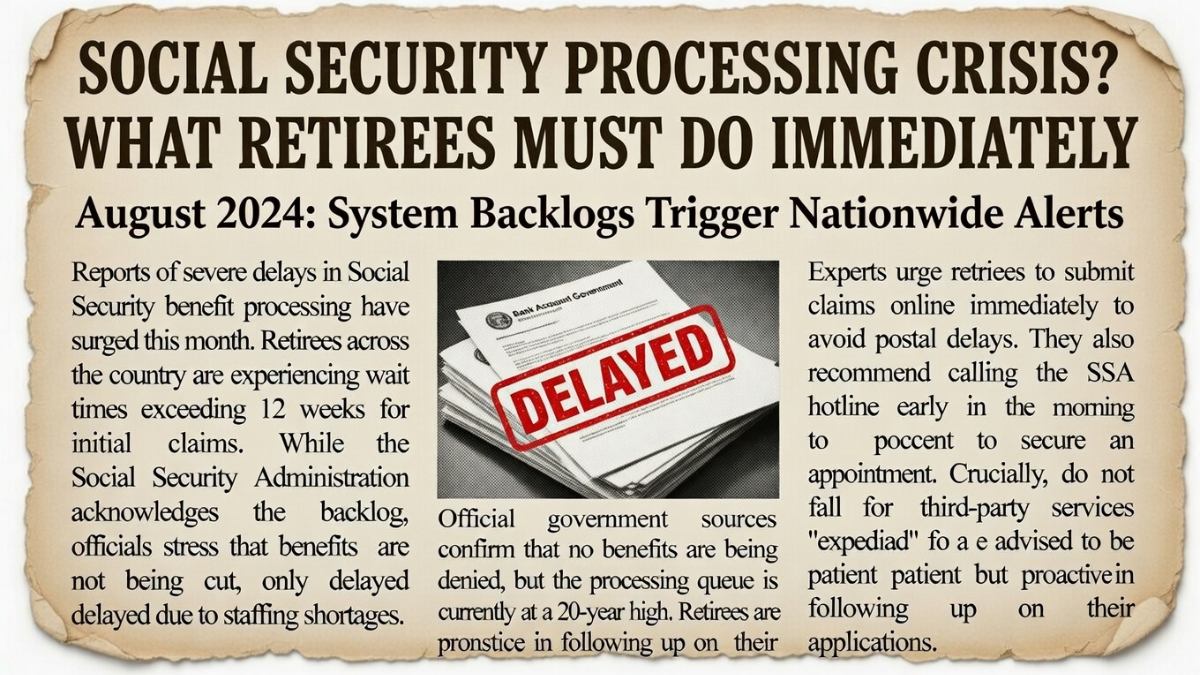
The Social Security Administration is making a major operational change that is quickly drawing national attention. In an effort to tackle rising call volumes and reduce long wait times, the agency has reassigned claims processing staff to handle phone lines. While this move may improve customer service access in the short term, it is raising serious concerns about potential delays in retirement and disability benefit approvals throughout 2026.
For millions of Americans who depend on Social Security, even small administrative adjustments can create uncertainty. With demand continuing to rise and staffing levels under pressure, the latest shift is being closely watched by retirees, disability applicants, and policy experts alike.
Why the Social Security Administration Is Moving Claims Staff
The Social Security Administration has faced increasing strain in recent years. More Americans are reaching retirement age, filing disability claims, or contacting the agency for help with benefit adjustments and account updates. At the same time, budget limitations and staffing shortages have made it difficult to keep up with demand.
Phone wait times have become a major complaint. Many callers have reported extended holds or difficulty reaching a live representative. To address this issue, the agency reassigned experienced claims specialists to help manage incoming calls.
These claims specialists typically review retirement applications, process disability determinations, and handle Supplemental Security Income cases. By moving them to customer service phone duties, the agency hopes to reduce frustration among beneficiaries trying to get assistance.
What This Means for Retirement and Disability Applications
If fewer employees are reviewing applications, processing timelines may extend. Retirement claims generally move more quickly than disability cases, but both require staff review and verification.
Disability claims are especially complex. They often involve medical documentation, earnings history verification, and multiple review stages. Any reduction in processing capacity can have a noticeable impact on approval times.
Applicants who are planning to:
Start retirement benefits
File for Social Security Disability Insurance
Apply for Supplemental Security Income
Submit an appeal after a denial
Request benefit recalculations
may experience longer waiting periods if backlogs begin to build.
Although the agency has not formally announced widespread delays, advocacy organizations are monitoring processing data for early signs of congestion.
Are Current Monthly Payments Safe?
For individuals already receiving Social Security benefits, there is no indication that monthly payments are at risk. Payment systems operate through automated processes that are separate from claims review staff.
Direct deposits and mailed checks should continue as scheduled. Cost-of-living adjustments and routine benefit calculations are handled by established systems that are not directly affected by phone staffing changes.
The primary concern centers on new applications and cases that require manual review.
Why Backlog Concerns Are Intensifying in 2026
The timing of this staff shift is critical. The United States continues to experience a wave of Baby Boomers entering retirement age. This demographic trend is increasing demand for Social Security services each year.
Meanwhile, disability applications remain significant due to economic pressures and health-related challenges. With high demand and limited staffing flexibility, even temporary reallocations can create bottlenecks.
Experts warn that if experienced claims processors spend extended time on phone duties, fewer applications may be completed weekly. Over time, this can compound into longer approval timelines.
Appeals processing could also be affected. Appeals often require detailed reviews and additional documentation. Any slowdown in this area may lengthen wait times for individuals seeking reconsideration.
What Applicants Should Do Now
While individuals cannot control agency staffing decisions, they can take steps to reduce the risk of delays.
File applications as early as possible before your intended benefit start date.
Ensure all required documents are complete and accurate before submission.
Respond quickly to any agency requests for additional information.
Keep copies of medical records, earnings statements, and identification documents organized.
Regularly check your application status through official channels.
For those planning to retire in 2026, applying several months in advance may provide extra protection against unexpected delays.
Being proactive and organized can significantly improve processing efficiency, even during periods of administrative strain.
The Bigger Picture Behind the Decision
The Social Security Administration’s staffing move reflects broader challenges facing the agency. Rising beneficiary numbers, staffing constraints, and budget pressures have created ongoing operational stress.
Lawmakers have debated funding levels and workforce expansion for years. Without long-term staffing solutions, temporary reassignments may continue to be used as short-term fixes.
The situation highlights how demographic shifts are reshaping the demand placed on federal benefit programs. As more Americans rely on retirement and disability payments, administrative capacity becomes increasingly critical.
Whether this shift proves temporary or signals deeper resource issues will depend on future funding decisions and call volume trends.
What to Watch in the Coming Months
In the short term, callers may experience improved phone response times. That could help beneficiaries resolve questions about payments, eligibility, or account updates more efficiently.
However, if claims processing slows noticeably, public attention may shift toward growing backlogs. Monitoring approval timelines and official updates will provide clearer insight into the long-term impact.
For now, beneficiaries should stay informed, prepare early, and monitor developments closely.
Conclusion
The Social Security Administration’s decision to move claims staff to phone lines aims to improve customer service access. While existing monthly payments remain secure, new and pending claims could face longer processing times if staffing limitations create bottlenecks.
As 2026 progresses, retirement and disability applicants should act early, ensure documentation is complete, and remain proactive. In a system that serves millions, even operational adjustments can have significant consequences.
Planning ahead may be the best way to navigate potential delays in an evolving Social Security landscape.
Disclaimer: This article is for informational purposes only and does not constitute legal or financial advice. Individuals should consult official Social Security Administration sources or qualified professionals for personalized guidance.